Software Modernization from Graz
Processes first. Then the software.
Replace legacy systems, improve processes, carry over data safely – for companies across Austria.
Discuss your project →Many legacy systems have run reliably for years. Until something has to change.
-
Maintenance
The system can hardly be maintained or extended any more.
-
Knowledge
The knowledge about it sits in a few heads.
-
Requirements
New requirements no longer fit in.
Modernize, rebuild or switch to standard software?
Whether we replace a system at once or step by step, we decide after the analysis. It depends on the system, the data and how much downtime your business can take.
We work from Graz for companies across Austria.
If you only replace the technology, the old detours move into the new software. So we first capture and improve the workflows. Then we build the system that fits them.
Scope
What a modernization includes
- 01 / 04
Capture and improve processes
Together with your departments, we document how work is done today and find media breaks, double entry and detours. The result is the target processes for the new system.
- 02 / 04
Analyse the legacy system
We look at code, database, interfaces and dependencies. The result is a recommendation: modernize, rebuild or off-the-shelf software – with effort and risks.
- 03 / 04
Data model and data migration
We design a clean data model and carry over the legacy data automatically. Test migrations show before the switch that all data arrives correctly.
- 04 / 04
New system and operations
We build the new system with current technologies, put it into production with as little downtime as possible and support it afterwards.



Before and after
What a modernization changes
Knowledge
Today The knowledge about the system sits with a few people.
Afterwards Workflows, data and interfaces are documented.
Workflows
Today The workflows follow the software.
Afterwards The software maps the improved workflows.
Data
Today Data is entered twice, spreadsheets fill the gaps.
Afterwards One data model is the common basis.
Changes
Today Every change is risky and expensive.
Afterwards Changes are predictable, tests protect them.
Technology
Today The technology is outdated, updates are missing.
Afterwards The system runs on current, widely used technologies.
Approach
How a modernization works
- 01
Initial meeting
You describe the system and the problem. We tell you openly whether a modernization pays off.
- 02 Focus
Analyse processes and system
We capture workflows, data and interfaces and improve the processes with you. Together we define what the new system must do.
- 03
Concept and decision
Data model, architecture and migration path: switch in one go or replace step by step. You get a plan with the effort and decide on that basis.
- 04
Delivery in short cycles
We develop in iterations and show progress regularly. Your users give feedback early.
- 05
Migration and go-live
After successful test migrations, we switch over. Afterwards we continue to support the system.
References
Modernization projects
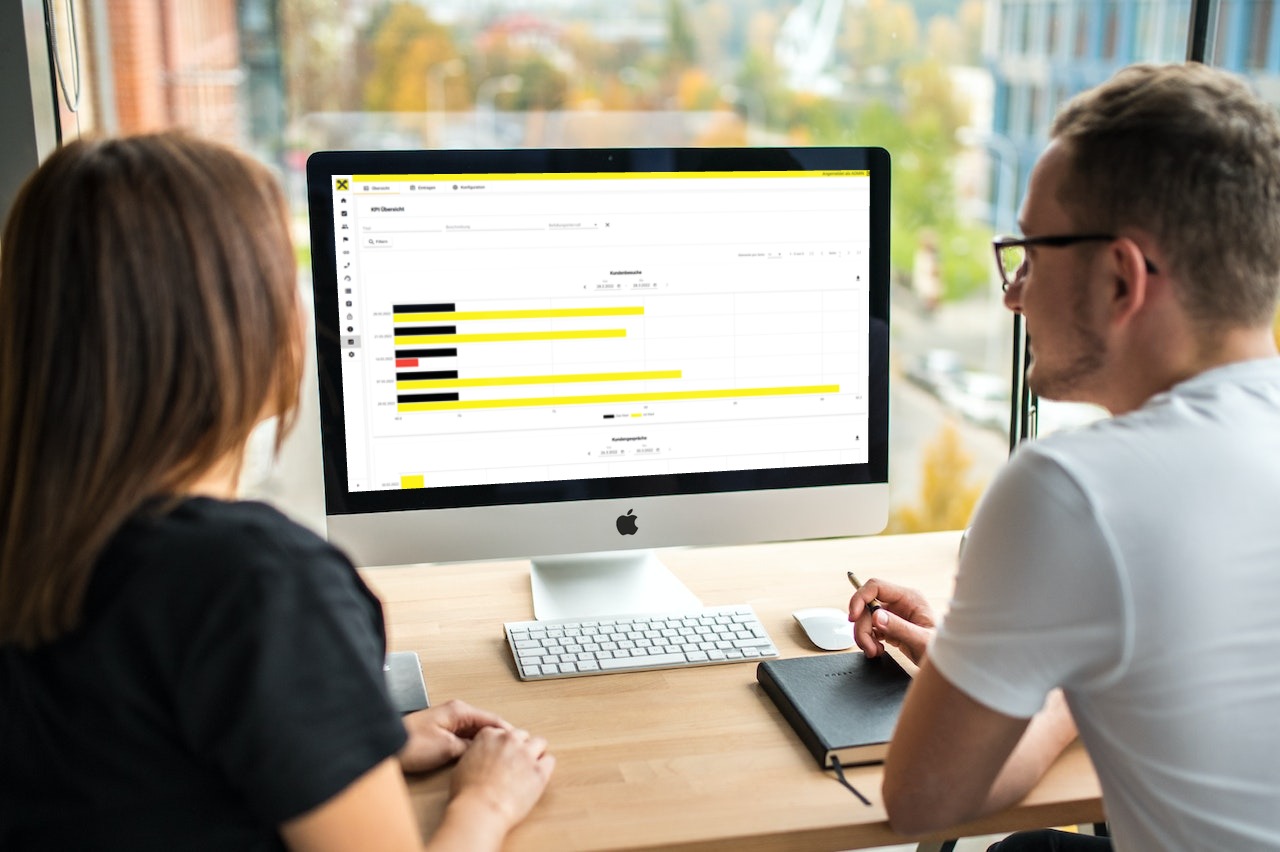
Raiffeisen Informatik Center Steiermark (RICS)
RICS Portal
The internal web portal of Raiffeisen Informatik Center Steiermark was outdated and hard to extend. After a requirements analysis with the key stakeholders, we rebuilt it and carried over all data.
- 7 modules in one platform
- From PHP to Node.js
- Minimal downtime at go-live
From another project
For a maker of vertical software, we moved legacy data from dBase files into a PostgreSQL database. First we designed a new data model together and advised on the choice of database. Then we built a migration tool that transfers the data automatically into the new schema.
FAQ
Questions about software modernization
How does a software modernization work?
Modernize, rebuild or off-the-shelf software – what is better for us?
Do our operations continue during the switch?
What happens to our legacy data?
Technologies
What we modernize with


Other services





Our office is at Glacisstraße 11 in Graz. We work for companies across Austria. Software development in Graz →

Every project starts with a conversation.